Common Materials Used in Masonry Installation Projects
People seeking masonry installation often want durable structures built with common materials like brick, stone, or concrete, and local contractors can expertly handle these materials.
Understanding the common materials used in masonry installation projects can help property owners make informed decisions about their upcoming construction or renovation efforts. Whether planning to build a new brick wall, repair a stone façade, or enhance a landscape feature, knowing the types of materials involved provides clarity and confidence. Local contractors specializing in masonry are well-versed in these materials and can recommend the best options to suit specific project needs, ensuring durability and aesthetic appeal.
Exploring this topic is especially practical for property owners aiming to maintain or improve the structural integrity and visual appeal of their properties. By familiarizing themselves with materials such as brick, stone, concrete blocks, and mortar, individuals can better understand the scope of work involved and the choices available. Connecting with experienced masonry installation service providers can help ensure that these materials are properly handled and installed, resulting in a finished project that stands the test of time.
- Brick masonry - homeowners planning to build or restore brick walls and facades can rely on local contractors to expertly handle the installation of this durable material.
- Concrete block - projects involving basement foundations or retaining walls often require installation of concrete blocks, with local pros ensuring proper placement and stability.
- Stone masonry - when creating decorative features or structural elements with natural stone, local service providers bring experience in selecting and setting the appropriate materials.
- Brick veneer - upgrading or adding aesthetic appeal to existing structures may involve brick veneer installation, which local pros can execute efficiently.
- Tile and pavers - outdoor patios, walkways, or interior accents often use tile or pavers, with local contractors skilled in laying these materials for lasting results.
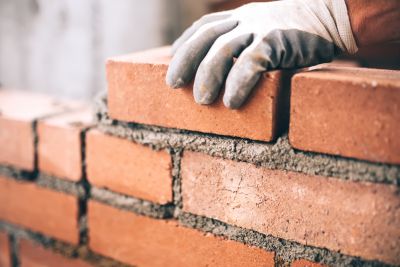

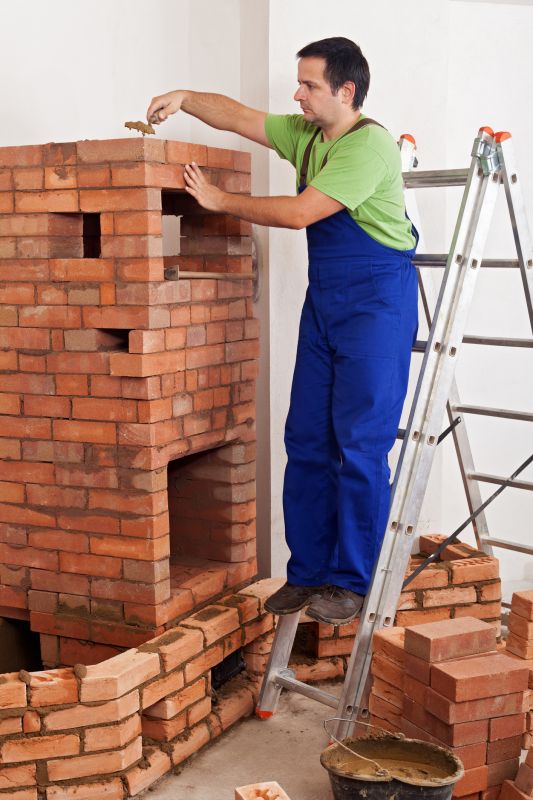
When people search for common materials used in masonry installation projects, they are often looking to understand the types of substances that form the foundation of various masonry structures. This inquiry typically relates to planning or renovating features like patios, walkways, retaining walls, or fireplaces. Homeowners may want to learn about the different options available to ensure durability, aesthetic appeal, and suitability for their specific property. Recognizing the materials involved helps in making informed decisions about design preferences, longevity expectations, and compatibility with existing structures.
Masonry projects often involve solving problems related to structural stability, weather resistance, and visual cohesion. For example, choosing the right materials can prevent issues like cracking, shifting, or deterioration over time. Property owners might also be considering the scope of a project-whether it’s a small garden wall or a large outdoor kitchen-and need to understand how different materials perform in various conditions. Local contractors specializing in masonry installation can advise on the best materials to meet these needs, helping to avoid costly mistakes and ensuring the finished project withstands local climate and environmental factors.
The types of properties that come up in discussions about masonry materials typically include residential homes, commercial buildings, and public spaces. Residential properties often feature patios, driveways, and decorative walls, which require materials that balance beauty and durability. Commercial properties might incorporate more substantial structures like retaining walls or security features that demand stronger, more resilient materials. Public spaces, parks, and community areas also utilize masonry materials for benches, planters, or boundary walls. Local service providers are experienced in working with these property types and can recommend materials that suit the specific demands of each setting.
Understanding the common materials used in masonry installation projects helps homeowners connect their vision with practical solutions provided by local pros. These professionals can assist in selecting the right materials-such as brick, concrete block, natural stone, or stucco-based on the project’s purpose and property type. Their expertise ensures that the chosen materials will perform well over time, complement the property’s style, and meet the structural requirements of the project. By exploring these materials beforehand, property owners can better communicate their goals and collaborate effectively with local contractors to achieve durable, attractive masonry features.
Bricklaying projects - bricklaying involves similar skills and tools as masonry installation, focusing on the precise placement and bonding of bricks for walls and structures, making it relevant for those seeking information on common masonry materials.
Stone veneer installation - installing stone veneers requires knowledge of masonry techniques and materials, providing insight into the types of stones and adhesives used in masonry projects.
Concrete paving services - paving involves working with concrete and setting materials, which share common planning and preparation steps with masonry installations involving concrete blocks and mortar.
Retaining wall construction - building retaining walls utilizes many of the same materials like concrete blocks and mortar, and requires similar planning and structural considerations as masonry projects.
Fireplace and chimney construction - these projects involve working with fire-resistant masonry materials, highlighting the importance of proper material selection and installation techniques used by local contractors.
Cement and grout application projects - applying cement and grout is fundamental in masonry work, and understanding these materials can help in choosing the right products for various installation projects handled by local service providers.
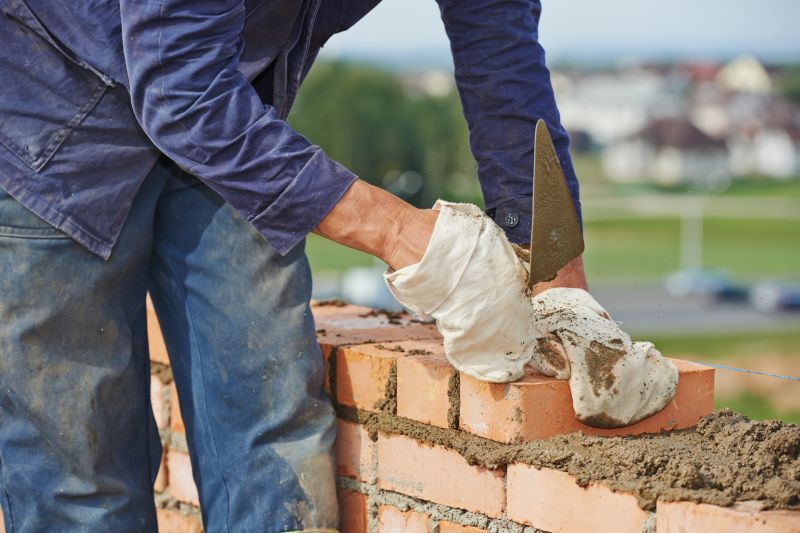
When comparing local contractors for masonry installation projects, it is important to consider their experience working with similar materials and project types. Homeowners should inquire about the types of masonry materials the service providers have used in past projects, such as brick, stone, concrete blocks, or other common materials. Contractors with a history of handling projects comparable to the scope and style desired can offer insights into the challenges and best practices associated with those materials, helping to ensure a smooth and successful installation.
Clear, written expectations are essential when evaluating potential service providers. Homeowners should seek detailed proposals that outline the scope of work, including the specific materials to be used, the quality standards expected, and the steps involved in the installation process. This documentation helps to establish a mutual understanding of the project requirements and provides a point of reference throughout the work. It also encourages transparency and accountability, making it easier to compare how different local contractors approach the same project.
Effective communication and reputable references are key factors in selecting reliable masonry installation services. Homeowners are encouraged to ask for references from previous clients who had similar projects completed, as this can provide valuable insights into the contractor’s professionalism, craftsmanship, and ability to meet deadlines. Additionally, service providers who communicate clearly and promptly tend to foster a more collaborative experience. Open dialogue ensures that expectations are aligned and any questions or concerns are addressed early, contributing to a positive project outcome.
Property owners often search for common materials used in masonry installation projects when they are planning practical projects around their homes and businesses. Local pros provide Masonry Installation services for everyday jobs and straightforward project options.
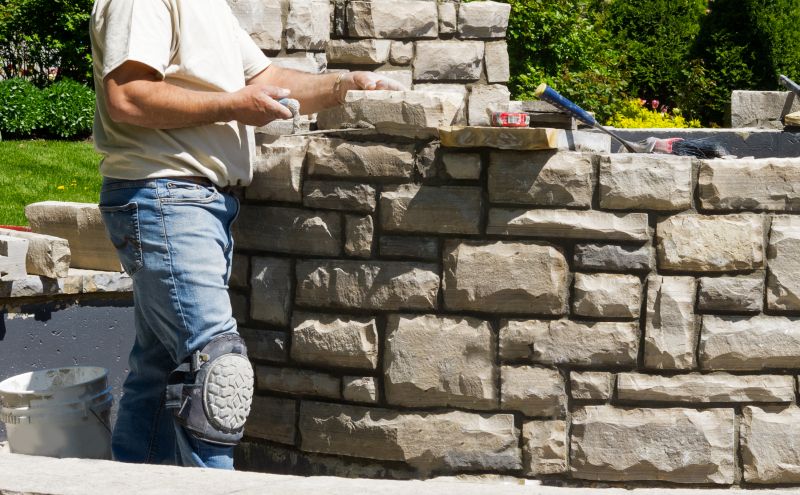
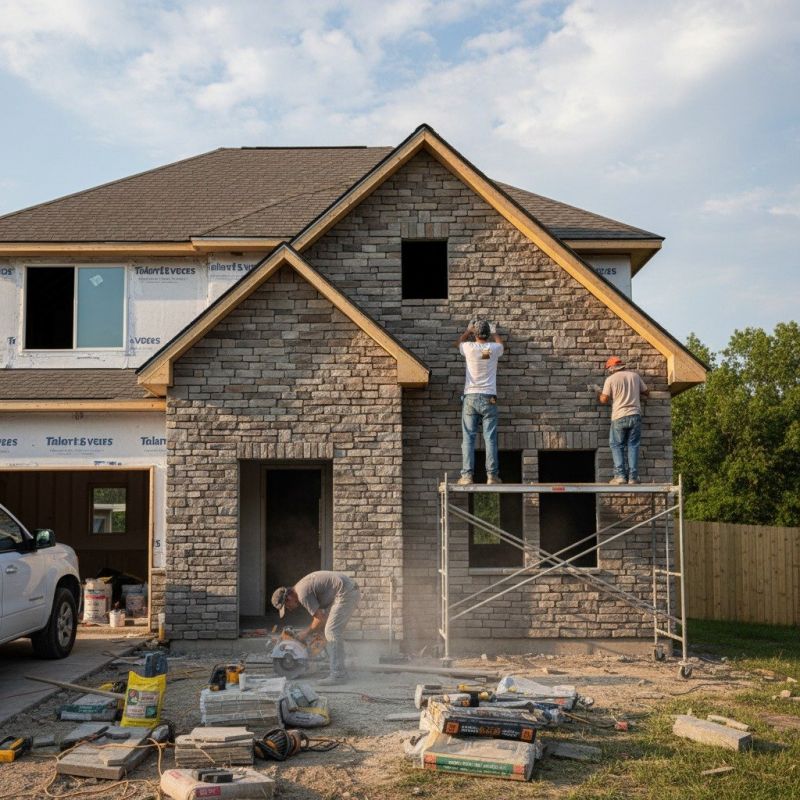
In many masonry installation projects around the area, property owners often inquire about the common materials used to ensure their structures are durable and visually appealing. Bricks, concrete blocks, and natural stone are frequently chosen for their strength and versatility, making them suitable for everything from retaining walls to decorative facades. Understanding these materials helps property owners make informed decisions when planning their projects and can lead them to seek out local contractors experienced in working with these common options.
Homeowners looking to enhance their properties may also want to learn about the different types of mortar and grout used to secure these materials. These binding agents play a crucial role in the longevity and stability of masonry work. Local service providers specializing in masonry installation can assist in selecting the right materials based on the project's specific needs, ensuring a finished result that meets both aesthetic preferences and structural requirements.
What are the most common materials used in masonry installation projects? Common materials include brick, concrete blocks, natural stone, and mortar, which are frequently used by local contractors to create durable structures.
Why is mortar essential in masonry projects? Mortar acts as a binding agent that holds masonry units together, providing stability and strength to the finished structure, and is used by local pros to ensure proper adhesion.
Can natural stone be used for all types of masonry projects? Natural stone is versatile and often chosen for aesthetic appeal and durability, with local service providers selecting specific types based on the project's requirements.
Are concrete blocks suitable for both load-bearing and decorative walls? Yes, concrete blocks are commonly used for load-bearing structures and decorative features, with local contractors choosing the appropriate type for each application.
What other materials might be used in masonry installation projects? Besides bricks and stones, materials like concrete, cinder blocks, and specialized mortars are used by local pros to meet different structural and design needs.
Brick and concrete blocks - These materials are durable options for constructing walls, fireplaces, or outdoor features with the help of local contractors.
Mortar types - Selecting the right mortar can ensure proper adhesion and longevity for masonry projects like patios or retaining walls.
Stone materials - Natural or manufactured stone can be used to enhance aesthetic appeal in features such as garden walls or facades by local experts.
Sand and gravel - These foundational materials are essential for mixing mortar and creating stable bases for various masonry structures.
If you are thinking about common materials used in masonry installation projects for a property, this guide is meant to help you understand this topic, the typical project types, and how different options might fit your plans.
When you are ready, you can use the quote form on this page to share a few details about your project. From there, local pros can review the basics and follow up with options that match what you have in mind.